
Session 2: TTP diagnosis, treatment and monitoring
Session 2: TTP diagnosis, treatment and monitoring
Speakers: Flora Peyvandi, Long Zheng, Juri Giannotta, Ada Truma

Long Zheng,
Prof Zheng is Russell J. Eilers MD Endowed Professor and Department Chair of Pathology and Laboratory Medicine at The University of Kansas Medical Center.
Zheng's research has been focused on Biology of ADAMTS13 and Pathogenesis of Thrombotic Thrombocytopenic Purpura (TTP). Zheng first cloned and reported complete cDNA and protein sequences of ADAMTS13. He and his research team have published more than 150 manuscripts in various high-profile journals and 6 highly-sought book chapters including Williams Hematology, Clinical Hematology and Principal of Critical Care, etc. Zheng has served for 6 years in the NIH grant review panel for Hemostasis, Thrombosis, and Blood Transfusion (HTBT). He also served an associate editor for Journal of Thrombosis and Haemostasis and continues to serve the associate (or section) editors in Archives of Pathology and Laboratory Medicine, Annals of Blood, Blood VTH, Journal of Clinical Medicine, and Journal of Clinical and Translational Pathology, etc. Zheng is a passionate teacher and he has mentored more than 40 trainees, including graduate students, postdoctoral fellows, physician scientists, and junior research faculty, etc. Most of them have gone on to establish their own successful academic career.

Flora Peyvandi,
Prof Peyvandi is a Professor of Internal Medicine, University of Milan and director of the Angelo Bianchi Bonomi Hemophilia and Thrombosis Center. She is head of the Department of Rare Disorders at the Fondazione IRCCS Ca' Granda Ospedale Maggiore Policlinico with 15 ERNs. Since many years, Prof. Peyvandi has been participating in clinical, educational and research activities of different European and International scientific societies and patients' organizations. She is currently the President of the International Society of Thrombosis and Haemostasis (ISTH). She serves as advisor on the European Agency of Medicine (EMA) and on the Technical Health Committee of the Italian Ministry of Health. Her H-index of 78 (Scopus), with a large experience in research development in the field of haemostasis and thrombosis.
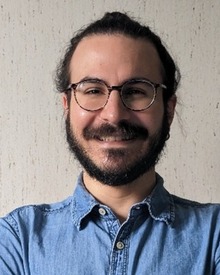
Juri Alessandro Giannotta,
Dr Juri Alessandro Giannotta is a hematologist at the Angelo Bianchi Bonomi Hemophilia and Thrombosis Center in Milan, Italy. He graduated in Medicine from the University of Milan in 2015 and completed his specialization in Hematology in 2020. Since 2022, he has been working at the Center, where his clinical activity focuses on thromboembolic diseases, platelet disorders, and thrombotic thrombocytopenic purpura (TTP).
His research primarily focuses on TTP and thrombocytopenias, with particular emphasis on novel immunosuppressive strategies and the optimization of therapeutic approaches. He is also actively involved in international collaborative efforts to harmonize TTP definitions, working with the International Society on Thrombosis and Haemostasis (ISTH) and an international panel of experts to promote standardized terminology of refractoriness. In addition, he contributes to the development of regional diagnostic and therapeutic care pathways aimed at improving and standardizing TTP management. Collectively, his work seeks to bridge clinical research, international consensus-building, and healthcare organization to improve patient outcomes and ensure evidence-based care.
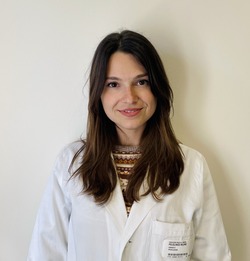
Ada Truma,
Dr Ada Truma is a Staff Physician at the Hemophilia and Thrombosis Center of Fondazione IRCCS Ca' Granda Ospedale Maggiore Policlinico in Milan, Italy. She is a specialist in Internal Medicine, with clinical and research expertise in thrombotic disorders, particularly immune-mediated thrombotic thrombocytopenic purpura (iTTP) and venous thromboembolism.
Her research focuses on the neurological and microvascular complications of iTTP, with particular emphasis on both acute manifestations and long-term consequences of the disease. Her work integrates clinical and neurocognitive assessments, advanced brain MRI, and biomarkers of neurological injury to better characterize persistent neurological and microvascular abnormalities in patients with iTTP. Her broader research interests include venous thromboembolism, quantitative medical imaging, and the application of data-driven approaches to clinical research. Ultimately, her work aims to improve long-term patient monitoring, optimize follow-up strategies, and support more personalized care for patients with iTTP.