
New EU Communication materials highlight the role of European Reference Networks (ERNs)
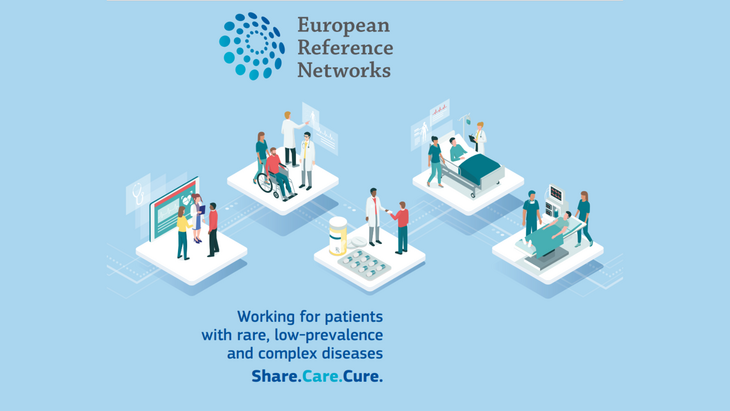
DG SANTE releases updated brochures, factsheets and publications showcasing the impact of European Reference Networks and EU action for rare disease patients and families.
In the ocassion of the Rare Disease Day 2026, DG SANTE has prepared a communication package highlighting the role of the ERNs in Europe and it’s available on the DG SANTE Rare diseases and European Reference Networks (ERNs) website.
The package's content is composed by the following publications:
- ERNs brochure 2026: European Reference Networks. Working with patients with rare and low-prevalence and complex diseases.
- ERNs booklet 2025: European Reference Networks: A success story for patients living with a rare disease (EN/DE/EL/FR/IT versions)
- Rare disease factsheet 2026: How the European Commission works on Rare Diseases and the European Reference Networks (ERNs).
- Rare disease factsheet 2026: EU delivering on rare diseases for patients and families.
In addition, an article was published on the DG SANTE Newsletter: “Rare Diseases are not rare - nor are rare disease success stories!”. It highlights the scale of the rare disease challenge, showcases real patient success stories, and describes ongoing efforts to improve access to ERN expertise, collaboration, and treatment options for rare disease patients.
“That's particularly important for people living with a rare condition, who wait four years on average for an accurate diagnosis. The ERNS are a gamechanger - giving patients access to 1,605 clinical centres in 375 hospitals across the 27 EU Countries and Norway. Collectively, the ERNs cover 92% of the rare diseases known in Europe, according to Orphanet. For example, a child in Ireland with an undiagnosed metabolic disorder was able to use genome sequencing in the Netherlands to get an accurate diagnosis within weeks instead of years. A child in Finland with a rare neurological disease had seizures and developmental delays for years before the ERN-RND (Rare Neurological Diseases) pinpointed the cause as a rare genetic mutation and outlined personalised treatment.”
Read the full article and find out more about how ERNs are helping people living with rare diseases here.