
ERN-EuroBloodNet and RADeep put mental health at the centre of the Patient Sessions at ASCAT 2026

For the eighth consecutive year, ERN-EuroBloodNet, together with RADeep, coordinated special sessions for people living with sickle cell disease (SCD) at ASCAT, this year dedicated to mental health and quality of life.
From 7 to 10 October 2026, the ASCAT conference once again brought together clinicians, researchers and patient communities at Central Hall Westminster, London. As in previous editions, ERN-EuroBloodNet and the RADeep Network organised a three-day program of Patient Sessions. The sessions have become a space where patients share their experiences and help shape the research and care agenda.
This year topic was “Mental Health and Quality of Life in Sickle Cell Disease” and 45 patients and caregivers from 10 European countries took part.
The program was structured as follows:
- Day 1 - Understanding the mental health burden of SCD: the impact of mental health on daily life, education, work and social participation, the interaction between physical symptoms and psychological distress, and practical strategies and self-management tools to improve well-being.
- Day 2 - Assessing mental health: PROMs and access to care: how patient-reported outcome measures (PROMs) capture patients' needs and quality of life, and the availability of and barriers to mental health care for the SCD community.
- Day 3 - Patient perspectives in practice: a workshop where participants developed their key messages and prepared their presentation for the plenary.
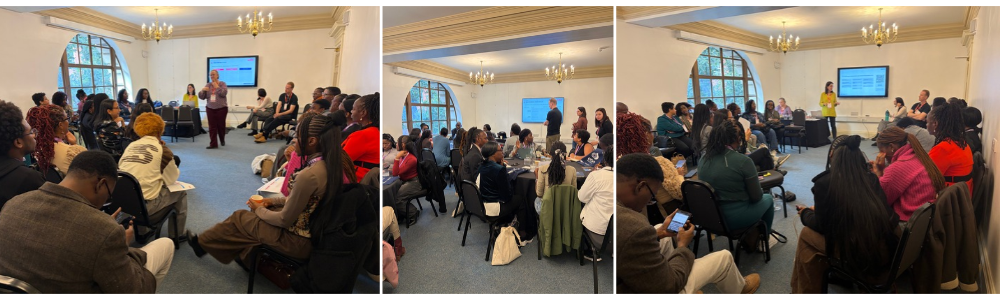
On Saturday 10 October, the patients presented the outcomes of their work at the ASCAT plenary session, with these key messages:
- Mental health is part of SCD care. It affects work, relationships and learning, and the first signs of struggle are often emotional, such as changes in mood or withdrawal, rather than physical.
- Pain and mental health feed each other. Pain drains sleep, focus and energy, while stress and fear can make the same pain feel stronger.
- Access to specialised psychological support remains very limited. Only 1 in 11 participants reported having access to dedicated SCD psychology services. The barriers are structural (funding, referral pathways, few SCD-aware professionals), cultural and linked to stigma.
- A patient blueprint for psychology services. Participants called for psychological support as a standard of care, with the number of sessions based on need, SCD-trained and diverse professionals, and care pathways co-designed with patients.
- PROMs only work with feedback. Most participants had never heard of patient-reported outcomes. To build trust, patients need to see the results and visible changes to their care.

We warmly thank all participants for their commitment and openness in sharing their experiences, as well as the moderators and speakers who made these sessions possible.
This year's moderators were:
- Anna Collado Gimbert (Pediatrician) from Spain.
- Elisabetta Mezzalira (Specialist Nurse) from Italy.
- Jeremy Anderson (Psychologist) from the UK.
- Kofi Anie (Psychologist) from the UK.
- Noemi Roy (Hematologist) from the UK.
A summary video of the patients' plenary presentation is available on ERN-EuroBloodNet's YouTube channel.
Save the date for ASCAT 2027! The next edition will take place will take place on 6-9 October 2027 at Central Hall Westminster, London.